We use cookies to make this site work. We'd also like to set optional cookies so we can understand how the site is used and improve it. We will not set optional cookies unless you accept them. You can change your choice at any time from the Cookie settings link in the footer.
Strictly necessary cookies
These cookies are required for the site to work. They store your cookie preferences and keep your session secure. They are exempt from consent under PECR Regulation 6(4) because they are essential to deliver the service you have requested.
Optional cookies
Optional cookies help us understand how the site is used and provide additional features such as analytics, accessibility tools and translation. We will only set them if you accept.

Central Uxbridge Surgery
Think Pharmacy First
Minor Illnesses
You can contact or visit your local community pharmacy for help and support from a qualified healthcare professional for Minor illnesses.
- Pharmacy teams are trained to provide clinical advice and treatment for a range of
- minor illnesses.
- If symptoms suggest it's something more serious, they can point you to the right place.
- Your general practice team or NHS 111 may send you to your local community pharmacy for a same day appointment to access the help you need.
Most pharmacies can help you with seven common conditions without needing a GP appointment:
- Sinusitis
- Sore throat
- Earache (children)
- Infected insect bite
- Impetigo
- Shingles
- Urinary tract
- infection (women)

Visit your Pharmacy First!
Ask your pharmacy for more information about this free* NHS service
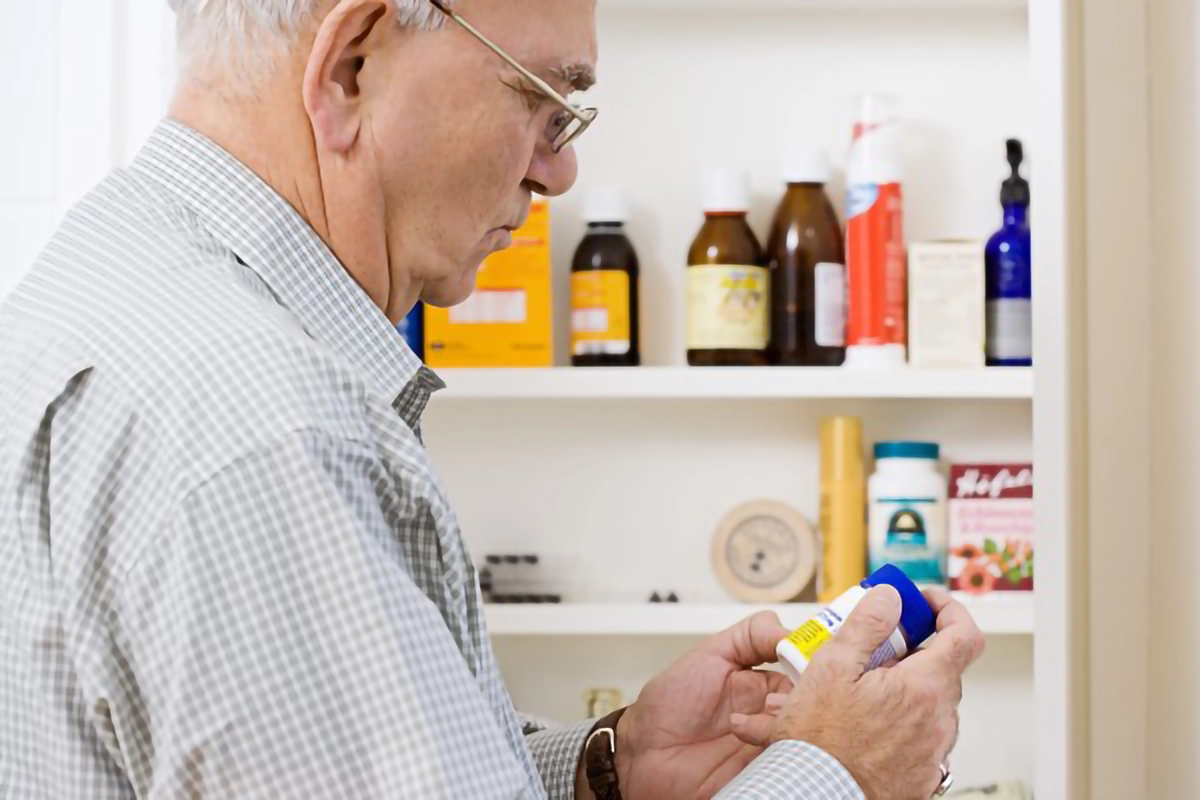
Visit your pharmacy first!
Not all problems require the need of a GP
Taking Medicines
You can contact or visit your local community pharmacy for help and support from a qualified healthcare professional for...
- Pharmacy teams can provide confidential consultations to support you with taking
- medicines or managing changes to your medicines.
- They can also check your inhaler technique, including the use of spacers for children, and ensure you have a personalised asthma plan.
- Some pharmacists can prescribe medicines where clinically appropriate.